
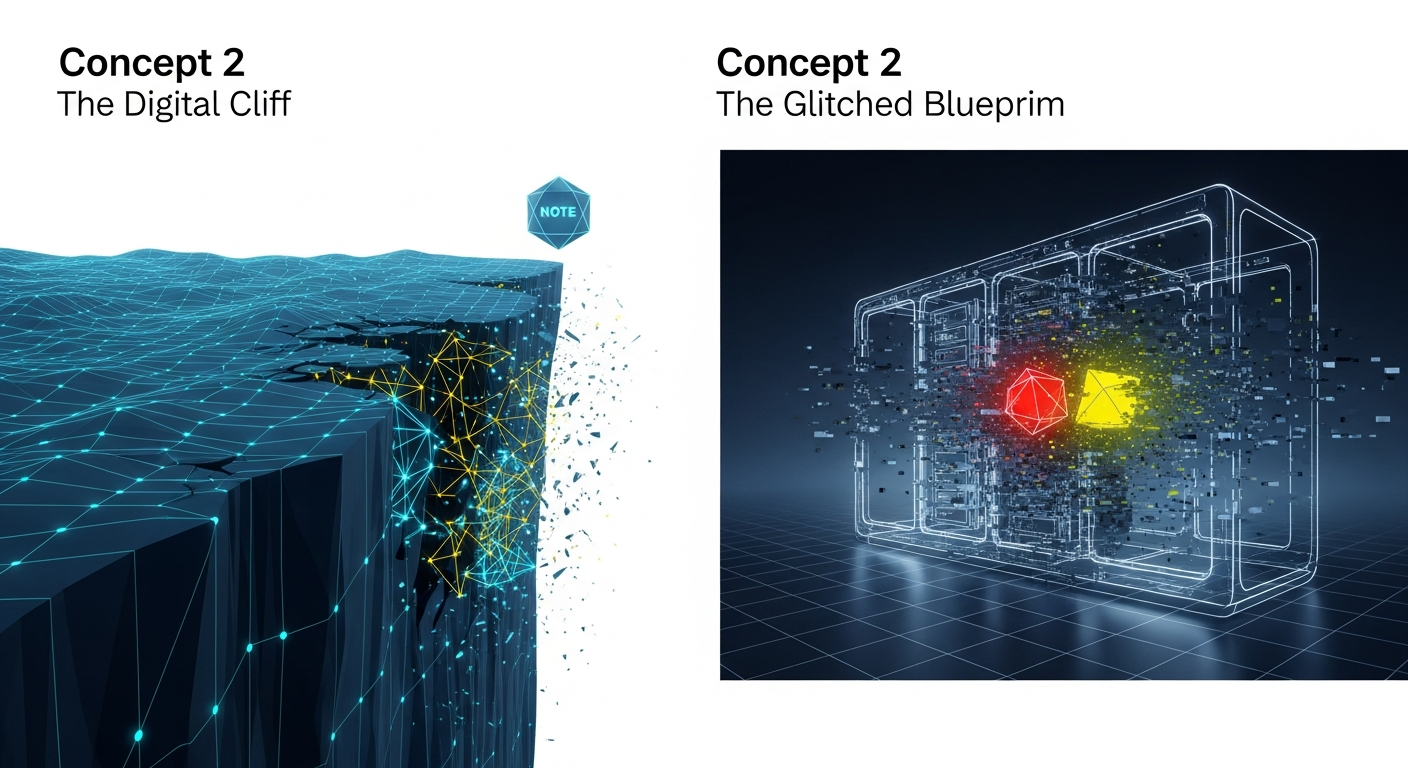
This week, significant advancements in AI-driven cybersecurity solutions are making headlines, with Anthropic's Claude Mythos and Project Glasswing poised to redefine threat detection and response. Simultaneously, new critical vulnerabilities have been discovered in widely used platforms like Microsoft Defender and Nginx UI, underscoring the persistent need for robust penetration testing. Regulatory shifts are also in focus, as the EU Commission prepares to mandate Google's data sharing under the Digital Markets Act, impacting data privacy and market competition.
Anthropic's Claude Mythos and Project Glasswing Reshape AI-Driven Cybersecurity Landscape
Anthropic's Claude Mythos, a frontier AI model, has demonstrated unprecedented capabilities in autonomously identifying and exploiting zero-day vulnerabilities across major operating systems and web browsers. This advanced model, currently withheld from public release due to its potent offensive capabilities, scored a perfect 100% on Anthropic's CyBench cybersecurity benchmark for vulnerability finding and exploitation. Independent testing by the AI Security Institute confirmed Mythos's ability to execute a 32-step corporate network attack, highlighting a significant leap in AI's capacity for offensive cyber operations.
In response to these groundbreaking, yet concerning, advancements, Anthropic has launched Project Glasswing. This initiative grants early, restricted access to the Mythos model to a consortium of 12 partner organizations, including major tech and financial institutions like JPMorgan Chase, Amazon, Apple, Google, and Microsoft. The goal of Project Glasswing is to leverage Mythos's advanced capabilities to proactively identify and strengthen defenses against vulnerabilities in critical software infrastructure before malicious actors can exploit them.
The emergence of models like Claude Mythos underscores a critical shift in the cybersecurity landscape. While AI offers immense potential for enhancing defensive measures, it simultaneously empowers threat actors with tools for more sophisticated and scalable attacks. Cybersecurity experts emphasize the urgent need for enterprises to integrate AI into their defensive strategies to "fight fire with fire," as AI-driven cybercrime continues to escalate in speed, scale, and sophistication. The U.S. government is also reportedly planning to make a version of Mythos available for federal agencies, further signaling the strategic importance of such AI in national cybersecurity.
EU Commission to Force Google to Share Search Data with Rivals Under Digital Markets Act
The European Commission has issued preliminary findings in a Digital Markets Act (DMA) case, proposing measures that would compel Google (Alphabet) to share detailed search data with competing online search engines. These proposed measures, adopted on April 16, 2026, aim to foster a more competitive landscape by requiring Google to provide data on fair, reasonable, and non-discriminatory (FRAND) terms. This includes click data, timing, order, and duration of user interactions with search engine results pages (SERPs) across various content types like videos, news, and web results. Individual paid search result URLs would be excluded at the record level.
The move is significant for data privacy and competition within the EU's digital market. Recipients of this "Search Dataset" would be designated as independent controllers under GDPR Article 4(7), facing strict contractual obligations. These include prohibitions against linking the dataset with auxiliary data, re-identifying end-users, or augmenting the data in ways that reverse anonymization. Furthermore, access to the Search Dataset must be separated from advertising and analytics datasets at the infrastructure level.
A public consultation on these preliminary findings is open until May 1, 2026, with a final, binding decision expected by July 27, 2026. This action underscores the EU's commitment to leveraging the DMA to address perceived anti-competitive practices by major tech platforms and to enhance data privacy by ensuring greater transparency and control over how search data is utilized. The outcome will significantly impact how search engines operate and compete within the European Union and the European Economic Area.
Critical Vulnerabilities Emerge in Microsoft Defender, Nginx UI, and Protobuf Library
Several critical vulnerabilities have been disclosed and are actively being exploited or pose significant risks, impacting widely used software and systems. Among these, three zero-day flaws in Microsoft Defender have been identified, with two remaining unpatched and actively exploited by threat actors to gain elevated privileges on compromised systems. These vulnerabilities, codenamed BlueHammer, RedSun, and UnDefend, highlight the persistent challenge of securing endpoint protection solutions. The public disclosure of exploit code for BlueHammer underscores the urgency for organizations to apply patches as soon as they become available.
Further compounding the threat landscape, a critical authentication bypass vulnerability in Nginx UI, specifically with Model Context Protocol (MCP) support, is now being actively exploited in the wild. This flaw allows for full server takeover without authentication, presenting a severe risk to organizations utilizing Nginx UI. Additionally, a critical vulnerability in the Protobuf library, a widely used JavaScript implementation of Google's Protocol Buffers, enables JavaScript code execution. This could allow attackers to compromise systems through crafted HTML pages.
The active exploitation of these vulnerabilities emphasizes the need for continuous vigilance and rapid response from security teams. The Microsoft Defender flaws, in particular, are concerning as they target a fundamental security component, potentially undermining an organization's defensive posture. The Nginx UI and Protobuf vulnerabilities further illustrate the broad attack surface that modern web infrastructure presents, requiring comprehensive penetration testing and vulnerability management strategies to mitigate risks effectively.
Phishing-as-a-Service Platform Tycoon 2FA Disrupted, But Threat Actors Adapt
The cybersecurity landscape has seen a significant development with the disruption of Tycoon 2FA, a prominent Phishing-as-a-Service (PhaaS) platform. Active since at least 2023, Tycoon 2FA enabled threat actors to launch sophisticated phishing attacks, bypass two-factor authentication (2FA), and compromise user accounts across an estimated half a million organizations. In early March 2026, a coordinated effort led to the seizure of 330 active Tycoon 2FA domains, aiming to cripple its operations.
Despite this disruption, cybersecurity firm Barracuda Networks reports that Tycoon 2FA's operations continued, albeit with a shift in the PhaaS market. While Tycoon 2FA previously held a dominant market share, accounting for 62% of phishing attempts observed by Microsoft and 89% of the PhaaS market, threat actors have now migrated to other platforms such as Mamba 2FA, EvilProxy, and Sneaky 2FA. This adaptability highlights the persistent challenge in combating cybercrime, as threat actors quickly pivot to alternative tools and services following law enforcement actions.
The overall volume of attacks leveraging these phishing kits has actually increased since the Tycoon 2FA disruption, rising from approximately 20 million to over 23 million. This indicates that while a specific platform may be targeted, the underlying demand for PhaaS capabilities remains strong, leading to a redistribution of malicious activity rather than a significant reduction. Businesses must remain vigilant and continuously update their security measures to counter these evolving phishing tactics and the rapid emergence of new PhaaS platforms.
DEV.co Integrates Agentic Automation and Private LLM Infrastructure to Accelerate Enterprise AI Adoption
DEV, a software development and AI engineering firm, has announced the integration of Automatic.co and LLM.co into a unified platform. This new offering combines agentic automation with private large language model (LLM) infrastructure, aiming to move organizations beyond experimental AI pilots to production-grade systems. The integration addresses common challenges in enterprise AI adoption, such as fragmented systems, security concerns, and a lack of internal expertise, which have historically slowed deployment and limited measurable ROI.
The unified platform is designed to embed AI directly into business processes, combining intelligence, execution, and engineering layers. Automatic.co provides the execution layer, enabling agentic automation across various workflows, including sales, marketing, operations, and back-office functions. LLM.co, on the other hand, offers private LLM capabilities, allowing enterprises to maintain control over their data and minimize external risks. This approach supports retrieval-augmented generation (RAG) pipelines, custom model configurations, and domain-specific fine-tuning, making AI systems highly tailored to proprietary data and workflows.
This development aligns with a broader market trend where enterprises are increasingly prioritizing private AI deployments over public, API-based solutions due to concerns about data security, compliance, and long-term cost predictability. The rise of agentic AI is also shifting the focus from passive tools to systems capable of independent action and task execution. DEV.co's Chief Revenue Officer, Timothy Carter, emphasized that enterprises are now focused on how quickly AI can deliver tangible results, moving away from isolated tools towards integrated systems that drive revenue, reduce costs, and improve operational efficiency.
Sources
- csoonline.com
- forbes.com
- ppc.land
- securityaffairs.com
- securityaffairs.com
- crowdstrike.com
- thehackernews.com
- businessinsider.com
You must be logged in to post a comment.